Posts

Why low dose aspirin is not effective in heavier patients
Image
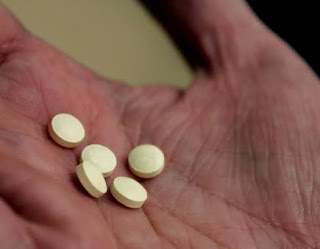
Low-dose aspirin may not be effective in preventing cardiovascular events in people weighing 70 kg (154 pounds) or more, a  Lancet  study suggests. Researchers analyzed 10 trials that evaluated aspirin versus controls for primary prevention of cardiovascular events in 120,000 people. Daily, low-dose aspirin (75–100 mg) was associated with reduced risk for cardiovascular events among those weighing less than 70 kg (odds ratio, 0.77), but there was no significant effect for heavier patients — roughly 80% of men in the study and nearly half of women weighed 70 kg or more. In the heavier group, low-dose aspirin may be even less effective in smokers and in those who take enteric-coated aspirin. High-dose aspirin (300–325 or 500 mg), meanwhile, appeared to be effective in reducing primary cardiovascular events only patients weighing 70 kg or more (OR, 0.79). Commentators said that people with more body mass may have more esterases, which clear aspirin and would reduce t...

AVOID HONEY FOR BABIES BELOW 1YEAR OF AGE

Image
Pediatricians recommend waiting until your baby is at least 12 months before introducing honey because it may contain spores of bacteria that can cause botulism. This doesn't mean our honey supply is contaminated -- these bacteria are harmless to adults and children over 1year of age. Honey can, very occasionally, contain a spore of a bacterium called clostridium botulinum. This can cause a rare form of food poisoning (botulism) in babies. The botulism spores can only be killed by the high heat which can be obtained in a pressure canner. According to WHO, the toxin (that is produced in anaerobic conditions) can only be destroyed by boiling. So technically, honey is not safe forinfants even in cooked form such as in baked foods like breads. If your baby has botulism, he may start to show symptoms eight hours to 36 hours after eating honey. Visit your doctor straight away if your baby has eaten honey, and then has the following: ...

The best position to lay your baby at night and avoiding sudden infant death(SIDS)

Image
Sudden unexpected infant deaths (SUIDs) are deaths in infants younger than 12 months of age that occur suddenly, unexpectedly, and without obvious cause, with no warning signs or a clear reason. . Sudden infant death syndrome (SIDS), is the leading cause of SUID. Parents who know about SIDS may think of it as their worst nightmare.Sudden infant death syndrome is known as SIDS or crib death. Although there is no 100% way to prevent SIDS, there is a lot you can do to lower your baby’s risk. Since the American Academy of Pediatrics issued its safe sleep recommendations in 1992 and launched its "Back to Sleep" campaign in 1994, the SIDS rate has dropped more than 60%. In 2015, the CDC noted 39.4 deaths per 100,000 live births compared to 154.5 deaths in 1990. 10 Steps to Help Prevent SIDS 1) Put a Sleeping Baby on His Back Your baby’s risk of SIDS is much higher any time he sleeps on his side or stomach. (A baby placed on his side can roll over on his stomac...

FDA issues recall for blood pressure medication due to cancer risk

Image
The U.S. Food and Drug Administration has issued a recall for several drugs used to treat high blood pressure and heart failure due to the risk of cancer. The FDA announced the voluntary recall of several drugs containing the active ingredient valsartan. The FDA said the recall was due to an impurity, N-nitrosodimethylamine (NDMA), which was found in the products and is classified as a probable human carcinogen The following are products listed in the recall, according to the FDA: Valsartan from Major Pharmaceuticals Valsartan from Solco Healthcare Valsartan from Teva Pharmaceuticals Industries Ltd. Valsartan/Hydrochlorothiazide (HCTZ) from Teva Pharmaceuticals Industries Ltd. Valsartan/Hydrochlorothiazide (HCTZ) from Solco Healthcare The FDA points out that not all products containing valsartan are being recalled. Officials note that because valsartan is used in medicines to treat serious medical conditions such as heart problems, patients who take the recalled medi...

Prostate Cancer Symptoms Never To Ignore

Image
Symptoms of prostate cancer generally become more noticeable in the advanced stages of the disease. Prostate cancer symptoms are not usually caused by the cancer itself, but rather as a result of blockage caused by the increased growth of the prostate gland. This growth can affect a man’s sexual performance and also cause urinary tract difficulties. This is why it’s imperative to have a yearly check-up done in order to catch prostate cancer in the early stages when it can be treated more effectively. In the earliest stages of prostate cancer, it can be difficult to determine the presence of the disease as there are no discernable warning signs. Note that symptoms associated with prostate cancer can also be caused by other non-cancerous diseases, such as a urinary tract infection (UTI) or benign prostatic hyperplasia (BPH). BPH latter is often confused as prostate cancer. Your doctor can help to diagnose your exact condition and address any of the issues listed below and offer...

Why you should avoid eating lime when taking Cough medicines

Image
If you're taking certain cough medicines then don't eat limes. Be careful with limes or Seville oranges if you’re taking cough medicines with dextromethorphan. Citrus foods can interfere with the process that breaks down the drug causing more of it to get in your body. “This can lead to side effects like hallucinations or drowsiness.” The fruits’ effects can last for 24 hours or more so avoid them while you need the cough medicine.

Why patients taking high blood pressure medications should avoid bananas

Image
Bananas are high in potassium, a good thing, but for those taking high blood pressure medications like Captopril, ACE inhibitors or Angiotensin receptor blockers, avoid large quantities of potassium-rich food like leafy greens and oranges too. Mixed with these drugs, these foods can cause high potassium levels. Bananas are something to avoid if you take blood pressure medications “Too much can cause irregular heartbeats and palpitations.” Tell your GP if you’re taking potassium or diuretics alongside blood pressure medication.